Cycling Tips: How to cycle in cold weather
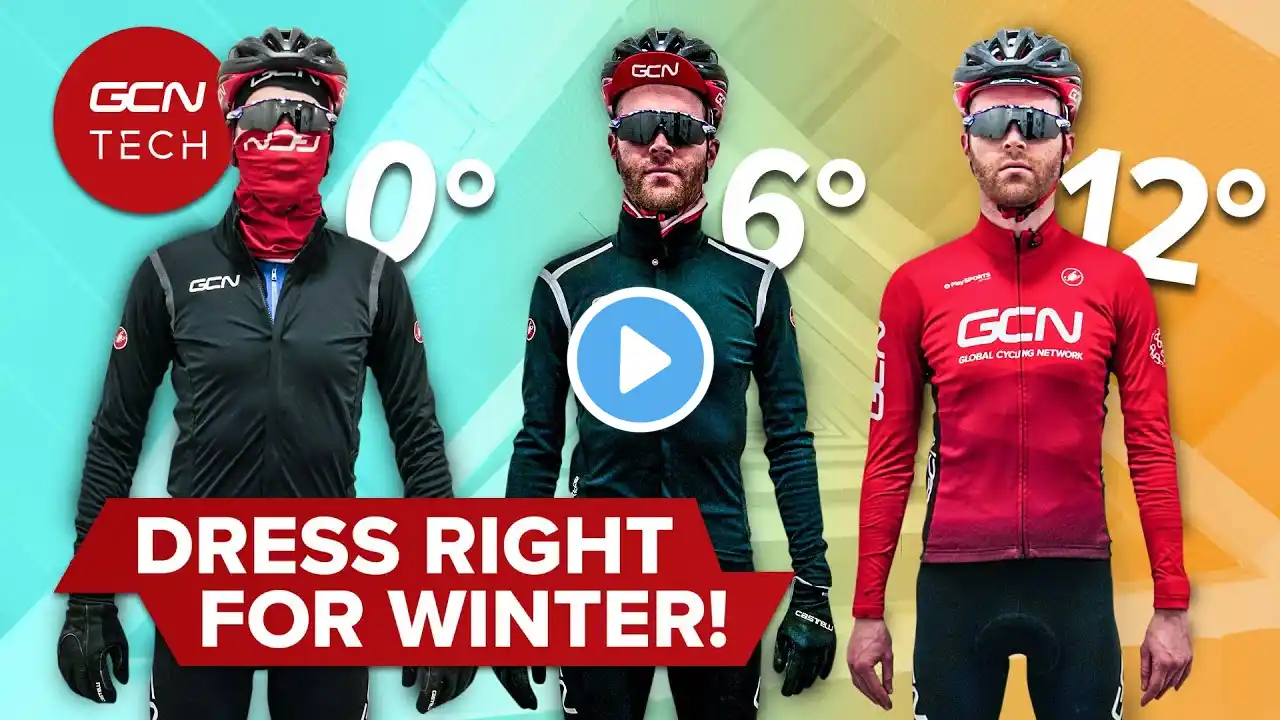
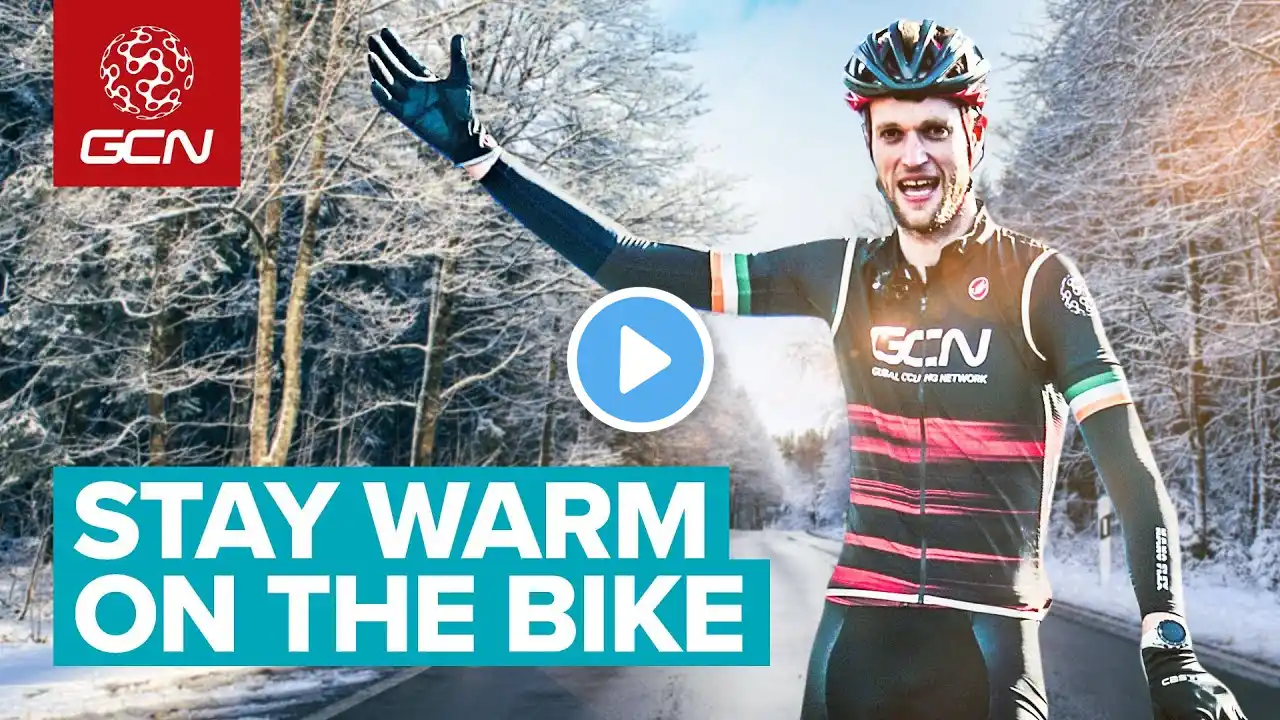
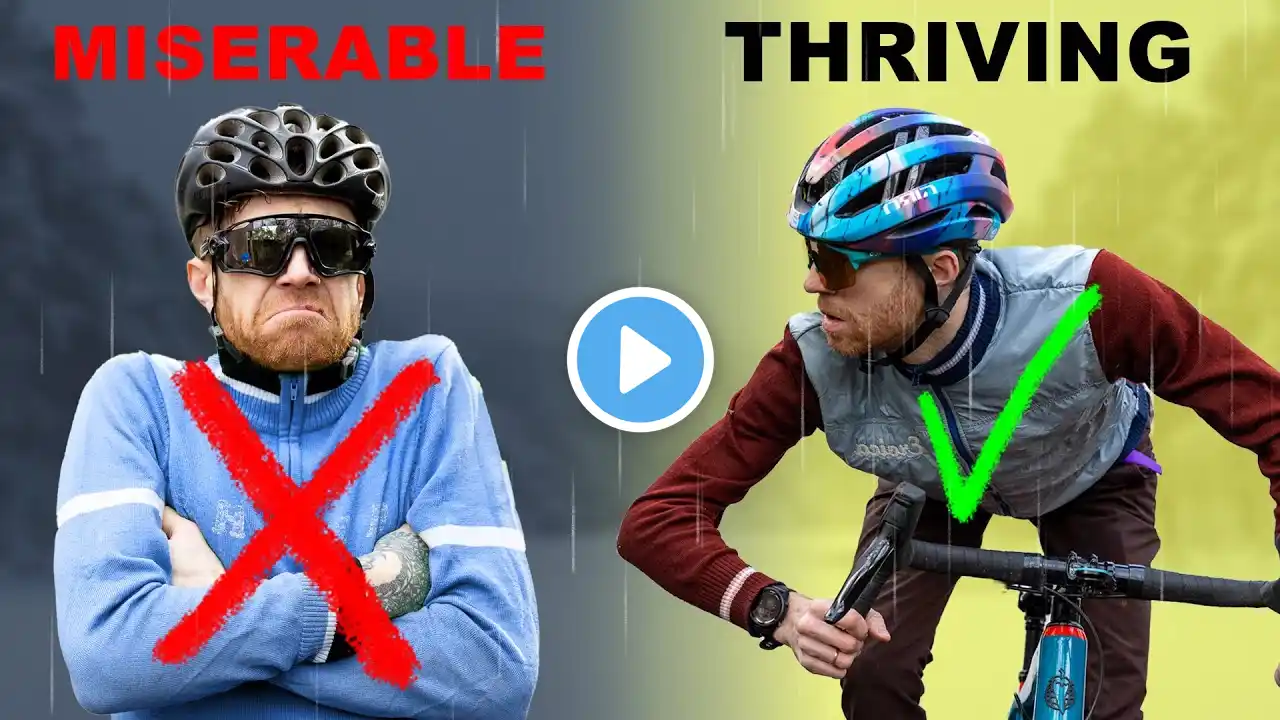
Cycling Tips How To Cycle In Cold Weather. HARDCORE COLD WEATHER! Here is Jon Kozak's youtube channel. / doubleorg. . Cold, winter weather is finally here. If you've been taking some time off or haven't had to endure cold-weather riding in awhile, you may not be fully prepared for the frigid onslaught. So, what do you need to do to continue riding as it gets colder? For one, learn to dress for warmth on the bike. Although it'll mean making an investment in winter clothing, it doesn't have to break the bank. Try these tips and you'll ride warm and strong all winter long. General Rules A good rule of thumb when preparing for a cold weather ride is to start off just a little cold, because after about 10 minutes of pedaling, you'll warm up quite nicely. If you overdress, overheating can be uncomfortable, so you may have to experiment a little before you get it right. First, consider the rule of layering. This is a technique of wearing varying weights of clothing designed to wick, trap, hold and block. The overall purpose of layering is to trap insulating air between layers of clothing and subsequently hold heat in. Wear a lightweight, high-performance, polyester-based wicking fabric next to the skin. Several manufacturers produce excellent high-quality, high-performance fabrics that are designed for cyclists. This type of garment will wick moisture away from the skin, keeping your skin and clothing dry to avoid heat loss through evaporation. Next, wear something with thermal capabilities (polyester is excellent here as well) that retains warmth while allowing a slow "breathing" process of the fabric. Modern synthetic fabrics like polyester breathe and will help you stay warmer longer. The outer garment will serve two purposes: Hold warmth in, while blocking the cold air and wind. The outer garment should serve as thermal barrier as well as a wind block, since cycling through cold air increases the wind chill factor. Fabrics like nylon serve this purpose well. Natural fabrics like wool and cotton get wet and stay wet, so don't wear your cotton T-shirt next to your skin thinking it will act as the primary wicking garment. Also, if you're riding without a windbreaker and find that you need one, insert sections of a newspaper inside your cycling jersey. Insert it in the front to block on-coming cold air, and in the back to conserve core body heat and act as an insulator. You'll see amateurs and pros alike using this technique on long, cold descents. The Head About 30 percent of the body's heat is lost through the head. A tremendous supply of blood circulates through this area, so if you keep your head warm, your body will stay warm. Depending on the severity of the cold, differing levels of head gear can be used. Ear bands or ear warmers are a good beginning. A scull cap of synthetic fabric is a good lightweight remedy. Remember your short billed cycling cap? It's not just for staying warm. The bill can be invaluable to protect against both sun and rain. Flip the bill up out of the way when you don't need it, or just turn the cap backwards to protect your neck. In extreme conditions, use a balaclava (or full hood) which covers the head, face and neck and has a small opening for the eyes and nose. Just don't walk into a bank with this on! And don't forget the eyes. Traveling through cold air causes your eyes to tear, making it extremely difficult to see. Choose a good pair of cycling glasses that curve around the face and protect eyes from wind and other elements, without fogging up. Good eyewear, like all good cycling gear, is a good investment. The Hands I recommend cycling gloves for a couple of reasons. Most cycling gloves are cushioned on the palms, providing proper circulation in the various hand positions on your handlebars. Gloves also protect your hands from road rash if you fall. In the winter months, full fingered gloves are a good idea or cycling mittens for more extreme conditions. The Feet Since the feet are pedaling circles and churning through the cold air more than the rest of your body, they need to be protected from the cold. Like the head, body heat is lost to a large degree through the feet. For cold-weather riding, use a heavier thermal cycling sock that wicks moisture and retains heat; choose socks made from synthetic fabrics. Cycling booties slipped over your shoes are great in cold weather. The booties are designed to accommodate your pedal cleats, and insulate your foot and ankle as well. For days that aren't cold enough for booties, wear toe covers. Toe covers accomplish the same thing that a windbreaker does for your chest: they keep the cold air from penetrating your foot. If you're on a ride without booties or covers and your feet get cold, get plastic bags from a convenience or grocery store and slip them over your feet (inside your shoes).