Freire and Critical Pedagogy
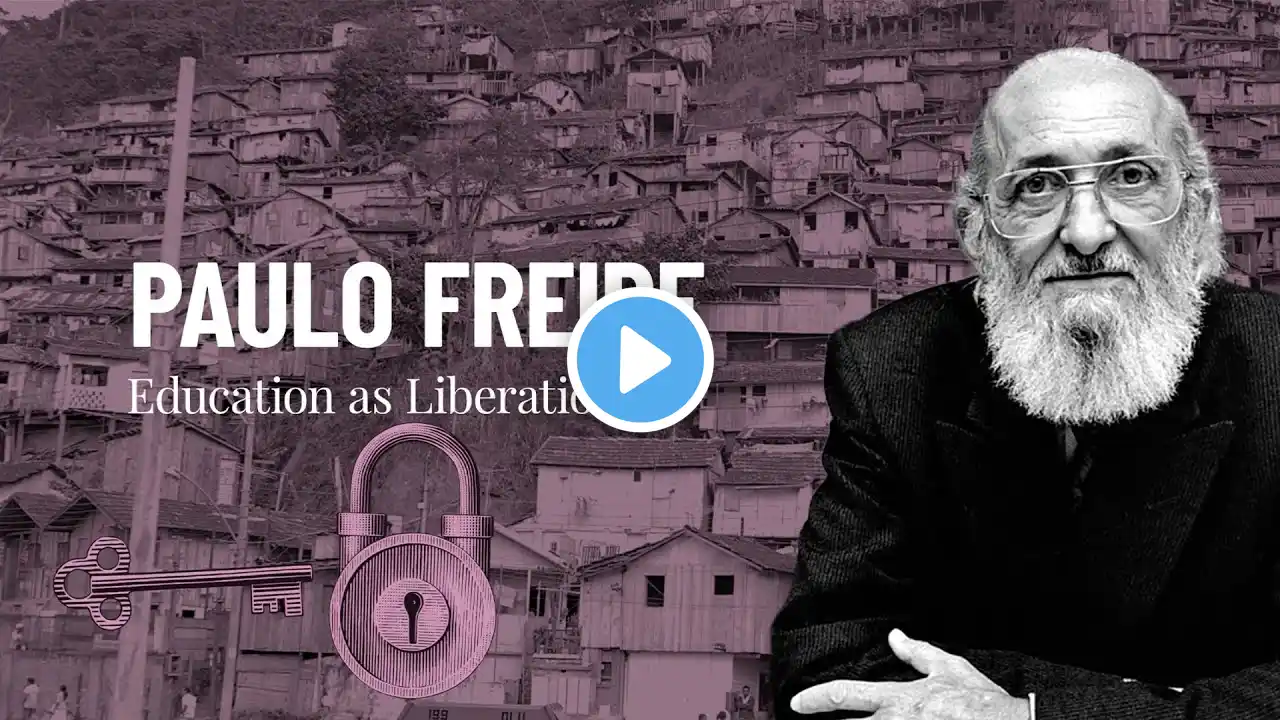
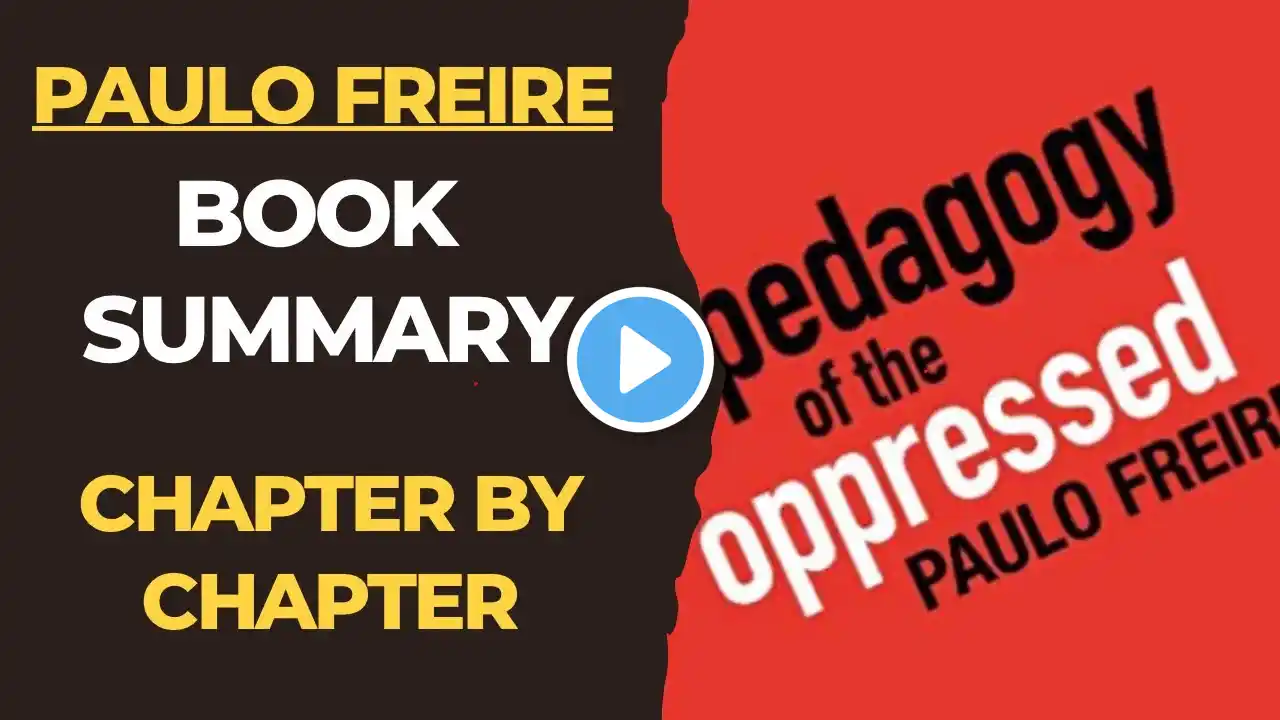
A very brief, curious, and somewhat chaotic overview of Freire's central tenets and critical pedagogy. Paulo Freire's critical pedagogy is an educational approach that understands teaching as a political and liberating act. It is not about mechanically transmitting content, but about creating conditions for individuals to recognize their reality, question it, and act to transform it. Freire begins with a critique of what he calls banking education, a model in which the teacher deposits knowledge into students as if they were empty vessels. This approach reproduces passivity and subordination because it turns the student into an object, not a subject. In contrast, he proposes a problem-posing education, based on dialogue and critical reflection, where students actively participate in the construction of knowledge. The core of his pedagogy is conscientization: the process by which the oppressed discover the roots of their situation and develop a critical consciousness capable of questioning power structures. Education, in this sense, is never neutral: it can serve to maintain oppression or to liberate from it. Freire insists that the educational act must be a horizontal dialogue between educator and learner. The teacher is not the owner of knowledge, but a guide who learns alongside the students. Knowledge is constructed through interaction, critical reading of the world, and transformative action. Therefore, teaching is an act of freedom, and learning is an act of resistance. For Freire, literacy is not only learning to read words, but learning to read reality. The peasants and workers with whom he worked in Brazil not only learned to write, but also to interpret their social situation and to organize themselves to change it. Education becomes an instrument of emancipation, a means for the oppressed to reclaim their voice and their capacity to decide. In his vision, critical pedagogy is also imbued with love and hope. Educating is an ethical and political act that requires a commitment to human dignity. Hope is not naive, but a force that drives transformative action. Educators must believe in students' capacity to learn and to change the world. In short, Freire's critical pedagogy conceives of education as a practice of freedom. It criticizes the banking model of education, proposes a pedagogy of dialogue and conscientization, and defends the idea that the oppressed can become subjects of their own history. His legacy is an invitation to think of education as a path toward emancipation and social justice.