How to find bookkeeping mistakes on your balance sheet-part
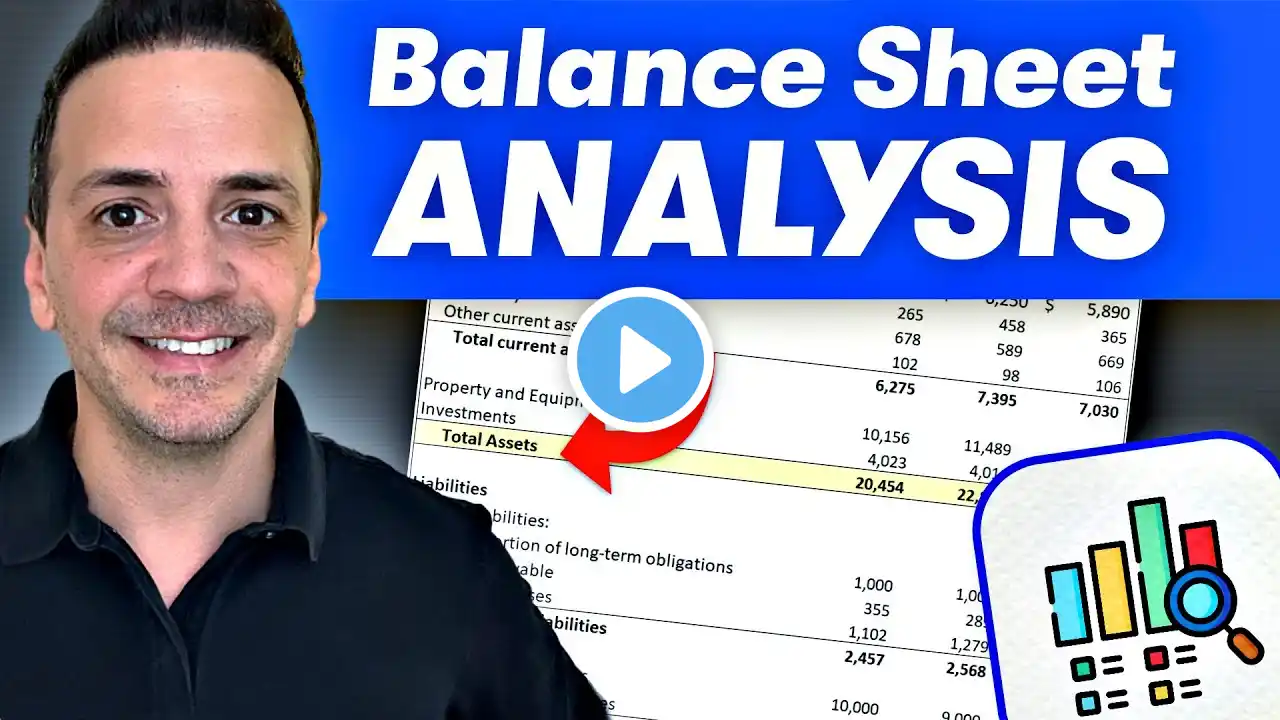
In this video, I'm going to show you how to find bookkeeping mistakes by looking at your balance sheet. So to get to that report, we're just going to go to reports and balance sheet. We're going to look at the assets section for right now. Let's look at your bank accounts. If these numbers are not very close to what your actual bank balance is, there's a couple of things going on. You could look at your last reconciliation report. What you're looking for on this report are items that are uncleared, especially older items that have not been cleared, they are most likely why your bank balance is off. If an item doesn't clear, when you reconcile your bank statement, there's a problem. There's either somebody is not cashing checks you wrote or there's duplicates or other mistakes going on. The next line, if you're using QuickBooks to do your invoicing would be accounts receivable. This number should reflect what your customers owe you. And if you feel that it is incorrect, it might be tied back to your bank balances that when items are coming in in the bank feed that instead of matching it to a payment on an invoice and recording his payments on invoices, you're creating a new receive receipt, or deposit and essentially duplicating the income. The same way with inventory. If your inventory is too high or too low, it means that your expenses are being recorded incorrectly, and that you're probably creating invoices incorrectly to move items from inventory to your cost of goods sold expense account. Another thing to consider undeposited funds which is probably the biggest source of bookkeeping errors in QuickBooks. Undeposited funds is where when you record a payment on an invoice. It's a holding account. QuickBooks will automatically send all payments to this account. What you're supposed after recording a payment on an invoice is to then create a deposit so those items are taken out of undeposited funds. Be sure that when you're recording payments on an invoice that you then go create the deposit. If the undeposited funds number is very high, unreasonably high, it also means probably also means it's contributing to your problems in your bank account, but also means that you're likely recording as a new sale deposits as they come in to your banking. And this essentially is doubling your sales, which is not true. This account should always be almost zero. It should never be a growing balance. So I'm just kind of briefly touch on the last part of the asset section here, which is fixed assets. Most people follow the IRS guidelines that if an item doesn't cost at least $2500 that it is expensed rather than recorded as a fixed asset. If you're going to track fixed assets. Be sure that your tax person is also recording the depreciation because this truck is not worth what you paid even a week after you bought it. So this may not contribute to actual bookkeeping mistakes is there's just a common oversight of never recording depreciation to match what's on your tax return. I hope you found this video useful. Be sure to hit like and subscribe and I'll see you next time.