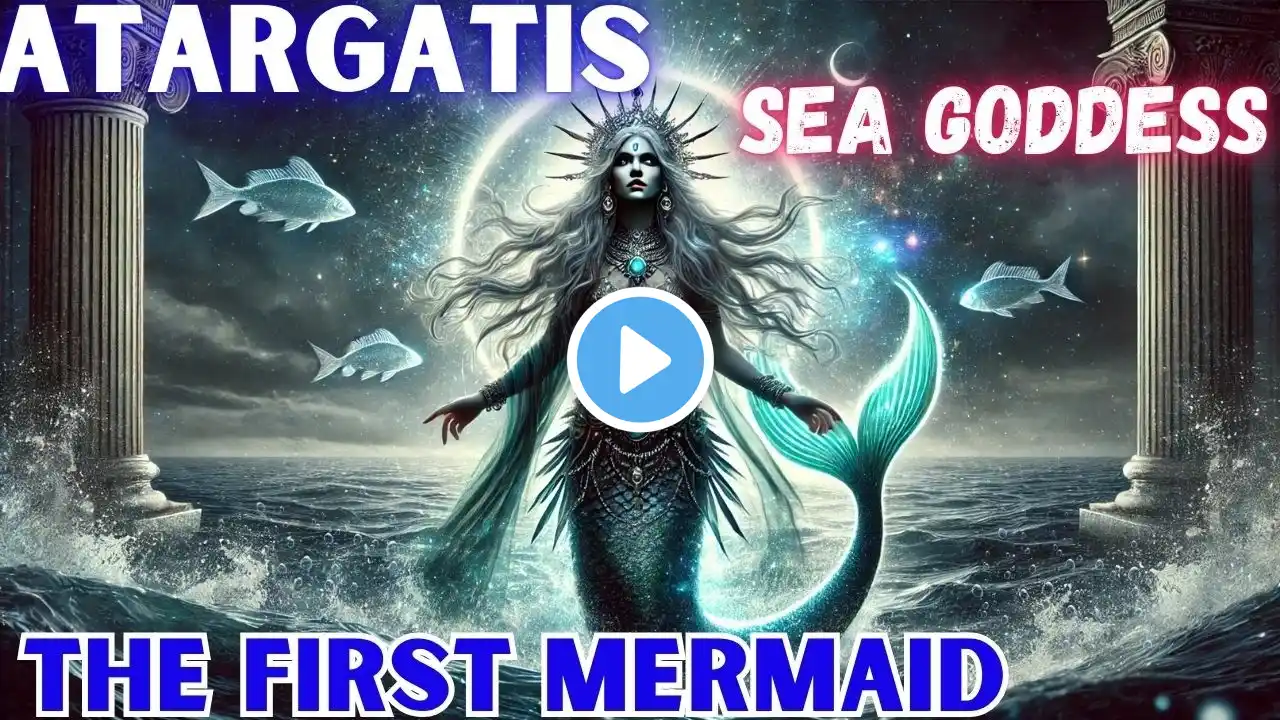
The Symbolism of Mermaids in Mythology
Mermaids have captivated human imagination for centuries, appearing in mythology, folklore, and literature across cultures. These mysterious, half-human, half-fish beings symbolize much more than their enchanting appearances suggest. They represent beauty and danger, freedom and entrapment, life and death—a duality that has made them enduring symbols throughout history. One of the most prominent themes associated with mermaids is the connection to the sea. As creatures of the ocean, they embody the unknown, the untamed, and the ever-changing nature of water. The sea itself has long been a symbol of mystery, representing both life-giving forces and deadly, unpredictable chaos. Mermaids reflect these same qualities, often depicted as both nurturing and perilous. In some stories, they guide lost sailors to safety, while in others, they lure men to their doom with haunting songs. This dual nature makes mermaids powerful figures in mythology, embodying both the gentle and the destructive aspects of nature. Another major symbolism of mermaids is seduction and transformation. Many cultures portray them as enchanting beings who use their beauty and song to mesmerize humans. The Greek sirens, often confused with mermaids, sang to lure sailors to their deaths, while Slavic rusalka were water spirits said to seduce and drown men. These myths warn of temptation and the dangers of desire, portraying mermaids as symbols of the consequences of being drawn into the unknown or surrendering to irresistible but perilous attractions. However, mermaids also represent freedom and independence. Unlike humans, they are not bound to the land; they roam the vast oceans without limitations. In some legends, they resist capture and refuse to be controlled, symbolizing a longing for autonomy and the ability to transcend societal expectations. The tale of Hans Christian Andersen’s The Little Mermaid highlights this theme, as the mermaid yearns for a human life but ultimately sacrifices herself rather than conform to a world she doesn’t belong in. This story has been interpreted as a representation of self-sacrifice, longing, and the struggle between personal identity and societal expectations. Mermaids also symbolize transformation and duality. They exist between two worlds—land and sea, human and creature—which reflects the concept of liminality, a state of being in between. This symbolism extends to human emotions and personal struggles, as mermaids often represent individuals caught between different identities, cultures, or desires. They are neither fully human nor fully sea creature, making them powerful symbols of change, self-discovery, and transition. In some cultures, mermaids are associated with femininity, fertility, and the power of the divine feminine. In African and Caribbean traditions, the water spirit Mami Wata is depicted as a mermaid-like figure who brings both blessings and curses. She represents beauty, wealth, and sensuality but also commands great respect and fear. Similarly, in some Eastern European folklore, mermaids are spirits of women who died tragically and now live in water, further connecting them to themes of femininity, sorrow, and rebirth. Ultimately, mermaids are more than just enchanting beings of the deep. They represent the complexity of human nature—the balance between attraction and danger, freedom and entrapment, change and permanence. Their enduring presence in mythology and literature speaks to our fascination with the unknown, our fears of what lies beneath, and our deep-rooted connection to the sea. Whether as omens of misfortune or symbols of independence and transformation, mermaids continue to inspire and mystify, proving that their legend will never fade beneath the waves.