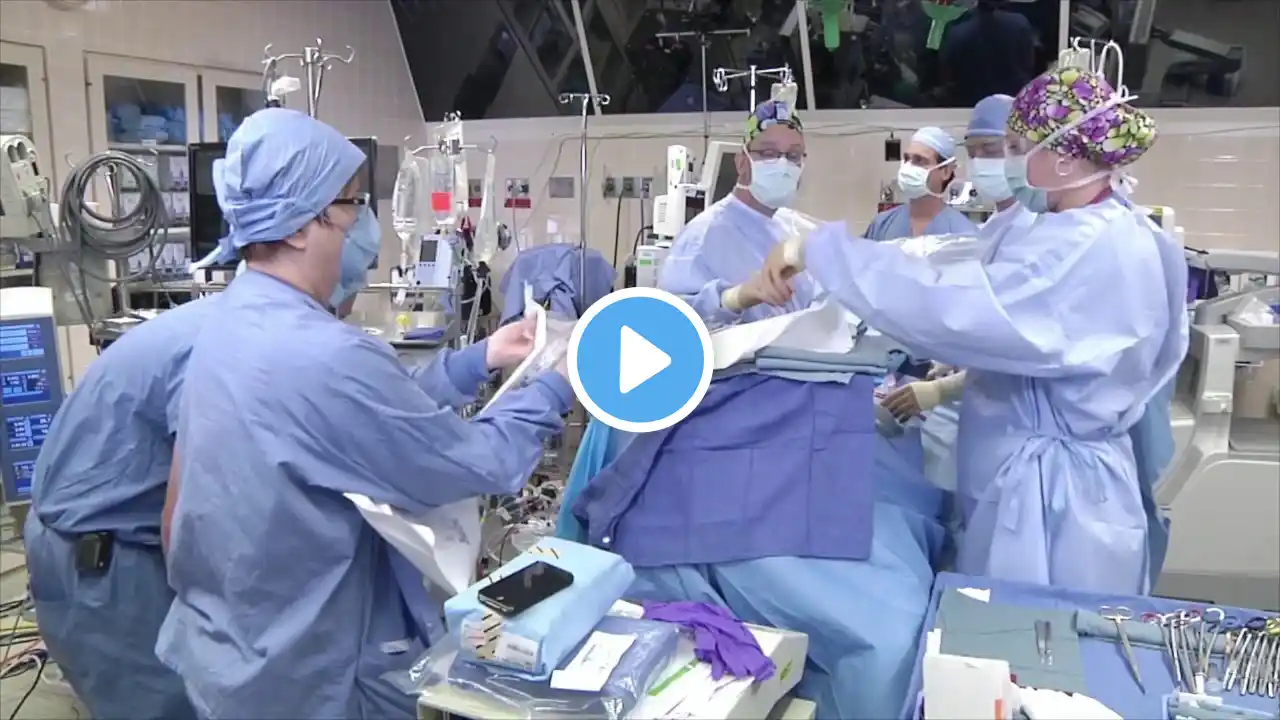
Type B Aortic Dissection (M. Atkins, MD; T. MacGillivray, MD; C. Bavare, MD) December 7, 2020
This discussion updates the modern clinical approach to type B aortic dissection, focusing on why older “uncomplicated vs complicated” labels are no longer enough. The speakers review the 2020 SVS/STS reporting standards, emphasizing entry tear location, proximal and distal extent, timing, false lumen behavior, and high-risk imaging or clinical features that predict adverse remodeling, rupture, or need for intervention. A major theme is distinguishing radiographic malperfusion from true malperfusion syndrome, since that difference directly affects urgency and treatment strategy. The session also explains dynamic versus static branch-vessel obstruction, the role of medical stabilization, and when to consider TEVAR, fenestration, branch-vessel stenting, or open fenestration. Long-term data from medically managed patients and the INSTEAD/INSTEAD-XL trials are used to show that type B dissection is not benign and requires careful surveillance, risk stratification, and selective early intervention. KEY LEARNING CONCEPTS Modern type B dissection assessment should include entry tear location, dissection extent, timing, and false lumen status rather than relying only on “type B” labeling. High-risk features such as refractory pain, refractory hypertension, bloody pleural effusion, large aortic diameter, large false lumen, and radiographic malperfusion help identify patients more likely to fail medical therapy. Dynamic malperfusion is caused by septal flap motion at the aortic level, whereas static malperfusion involves extension of dissection into branch vessels and often requires branch intervention. TEVAR improves aortic remodeling and may reduce later aortic-related mortality in selected patients, but timing matters because very acute intervention carries procedural risk. Lifelong imaging follow-up is essential because medically managed type B dissection often progresses to aneurysmal degeneration, reintervention, or death over time." FOR MORE INFORMATION HM Academic Institute: https://www.houstonmethodist.org/acad... For the latest education and training opportunities from DeBakey CV Education: http://bit.ly/HMdebakeyemail Follow Us: DeBakey CV Education Homepage https://www.houstonmethodist.org/acad... DeBakey CV Education Facebook / about DeBakey CV Education X https://x.com/DeBakeyCVedu/ DeBakey CV Education LinkedIn / debakey-cv-education DeBakey CV Edu Instagram / debakeycvedu Want concise, relevant reviews of the hottest topics in CV medicine? Subscribe for FREE to the Methodist DeBakey Cardiovascular Journal for quarterly, peer-reviewed issues delivered to your door. https://journal.houstonmethodist.org/