Are Historical Capitalization Rules Different From Today's? - The Language Library
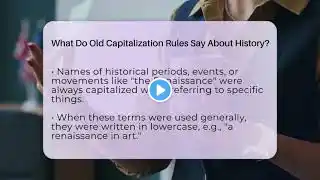
Are Historical Capitalization Rules Different From Today's? Have you ever wondered how the rules for capitalizing words have changed over time? In this informative video, we'll explore the differences between historical and modern capitalization practices. We’ll start by explaining how past writers used capitalization to emphasize importance and add stylistic flair, often capitalizing many nouns, including common ones like "Nature" or "God." We’ll discuss how these practices were common in handwritten manuscripts and early printed books, and why they differed from today's more standardized rules. You'll learn about how modern writing focuses on clarity and consistency, with only proper nouns and the first word of a sentence being capitalized. We’ll also cover how capitalization rules apply when referring to historical periods, such as "the Renaissance" or "the Victorian Era," versus general terms like "the medieval period." If you’re interested in understanding old texts or ensuring your writing aligns with current standards, this video is perfect for you. We’ll share tips on recognizing these differences and how they can impact reading and writing about history. Join us for this engaging discussion, and subscribe to our channel for more helpful insights on language and writing. ⬇️ Subscribe to our channel for more valuable insights. 🔗Subscribe: https://www.youtube.com/@TheLanguageL... #LanguageHistory #WritingTips #CapitalizationRules #HistoricalText #EnglishLanguage #GrammarTips #LanguageEvolution #WritingStandards #OldTextReading #LanguageLearning #EnglishGrammar #WritingStyle #LanguageEducation #HistoricalLinguistics #LearnEnglish About Us: Welcome to The Language Library, your ultimate destination for all things language and writing! Whether you’re a budding writer, an experienced editor, or simply a language enthusiast, our channel is designed to enhance your communication skills and deepen your understanding of the written word.