Microphone Characteristics
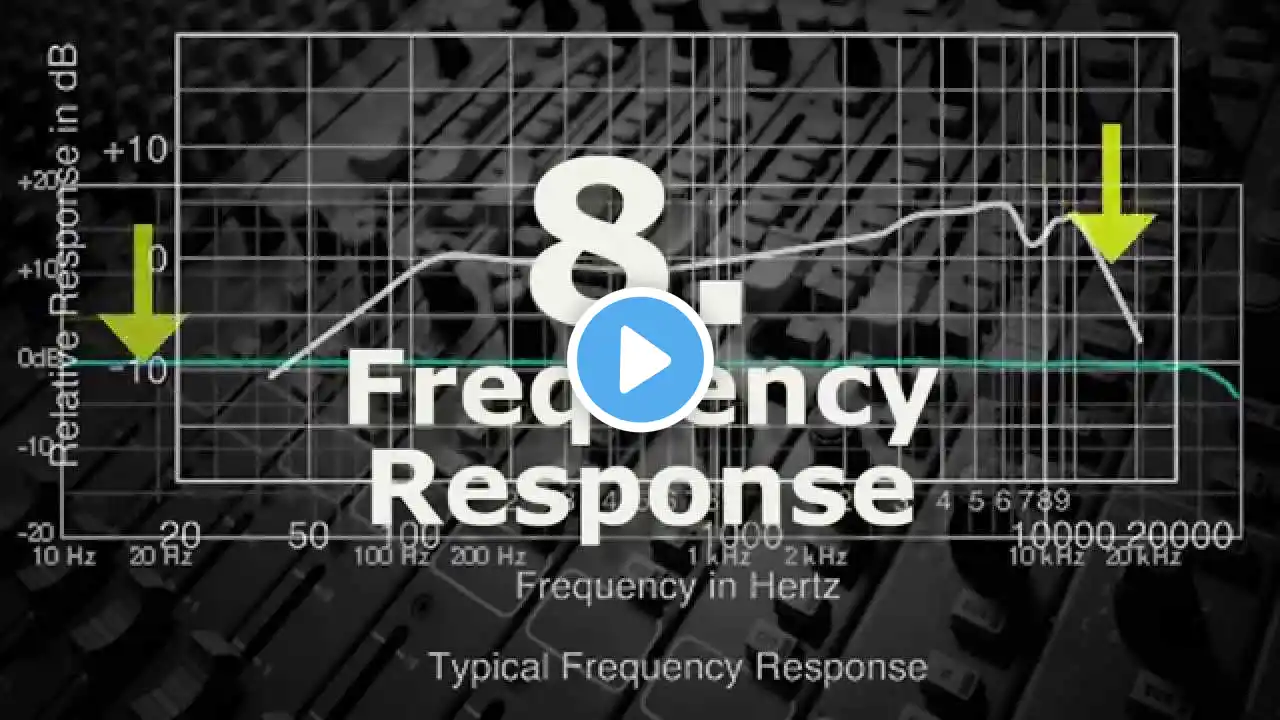
In addition to polar response pattern and capsule type, every make of microphone has eight characteristics that differentiate it from other mics. Transient response is how well the microphone is able to capture rapid changes in the sound. In general, condenser and ribbon mics have better transient response than dynamic mics. Overload limit is how easily the microphone can be overdriven. Here, most dynamic mics are harder to overload than condensers and ribbons. Max SPL is how much energy can reach the mic capsule before it produces 3% total harmonic distortion. Microphone output sensitivity (typically -85 dB for dynamic mics up to -65 dB for condensers) is how much signal the mic outputs. Self-noise is the amount of noise (measured in an anechoic chamber) that the mic produces with no signal present. Signal-to-noise is the usable dynamic range of the mic, basically the difference between the Max SPL and the self-noise. Proximity effect is how the low frequency response increases, (typically with a cardioid pattern), when the mic is close to the sound source. Finally and most important is the frequency response. Most manufacturers attempt to make this as flat as possible. This means few peaks or dips between 20 Hz to 20 kHz (or an octave or more higher for some Hi-Def mics), so that the microphone faithfully reproduces the actual sound.