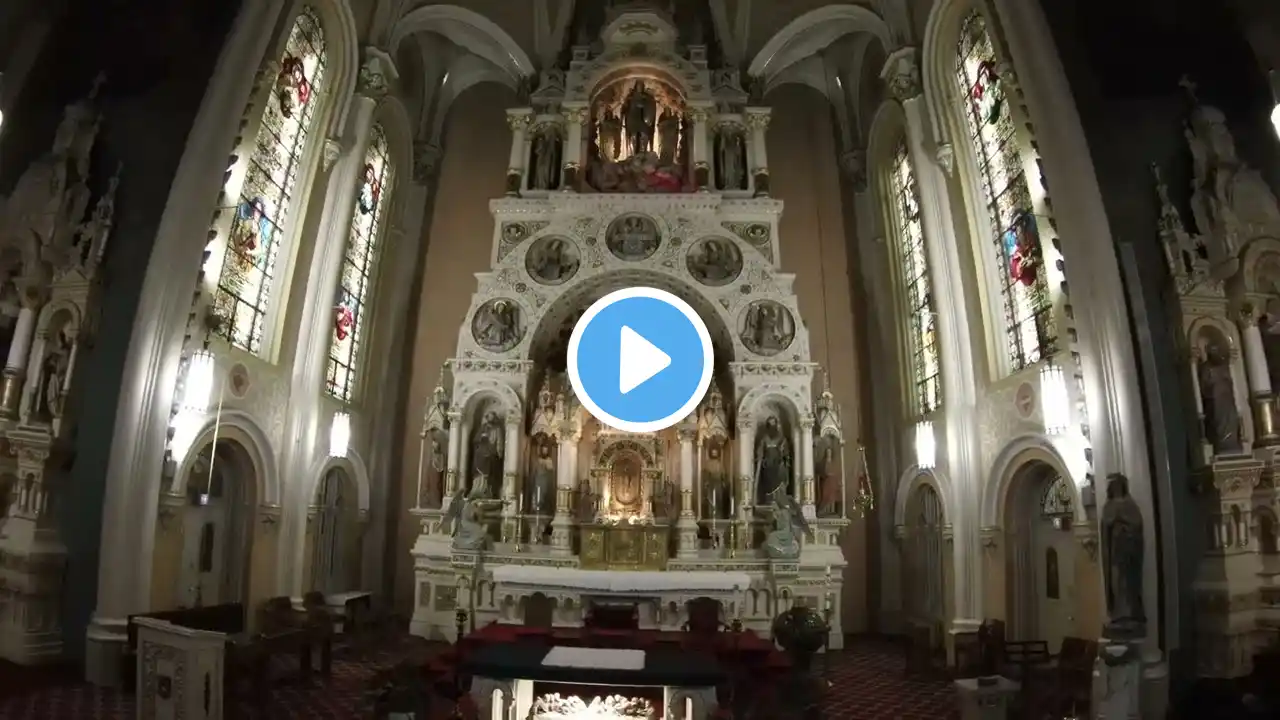
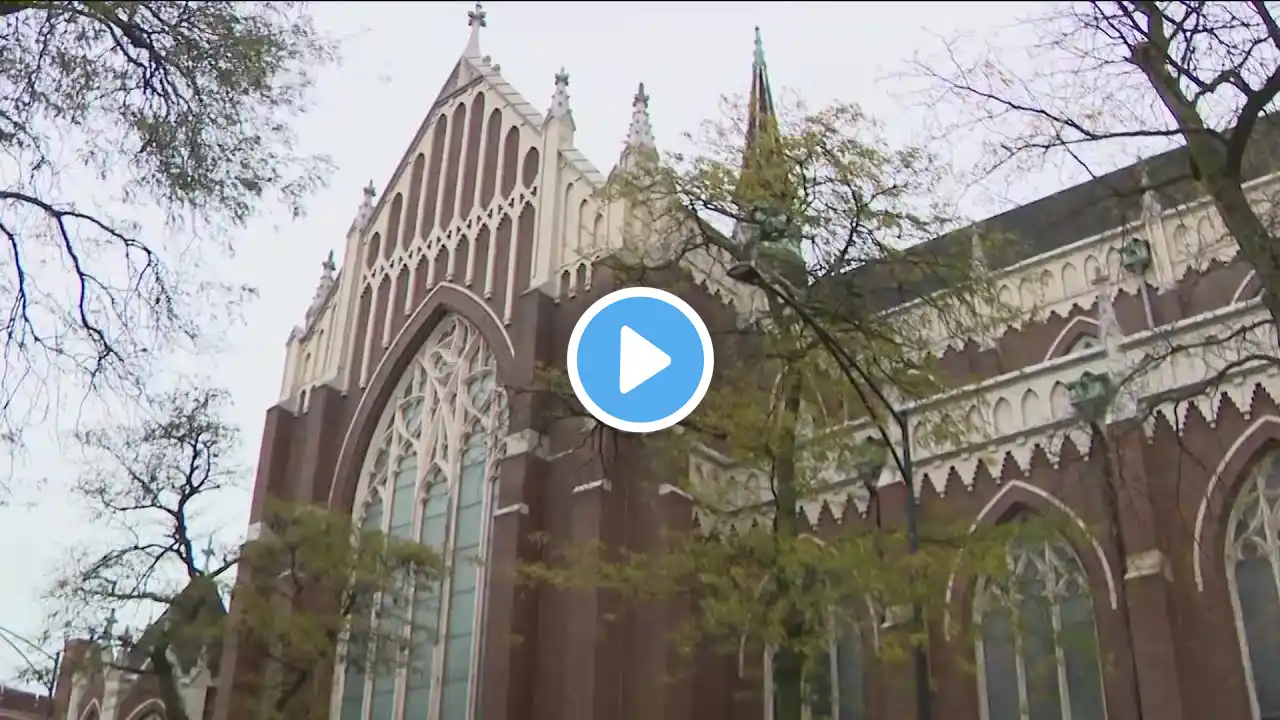
St. Micheal (Old Town) Catholic Church | Chicago, Illinois
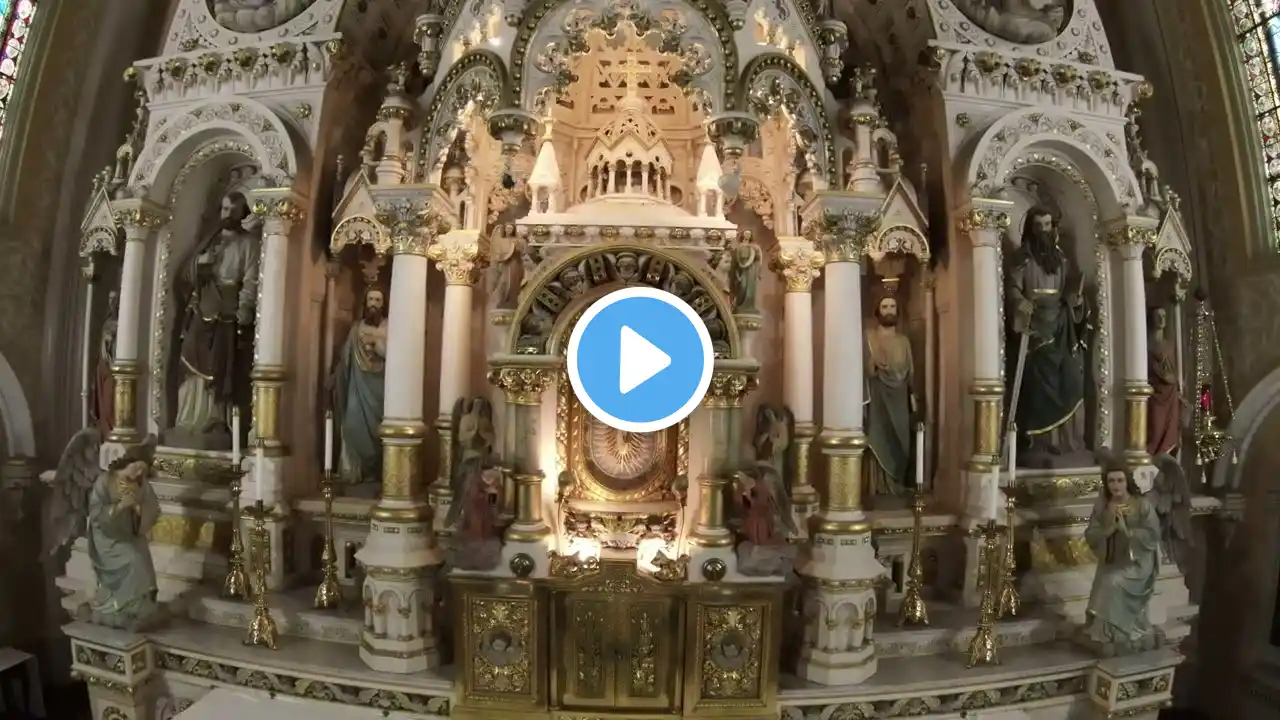
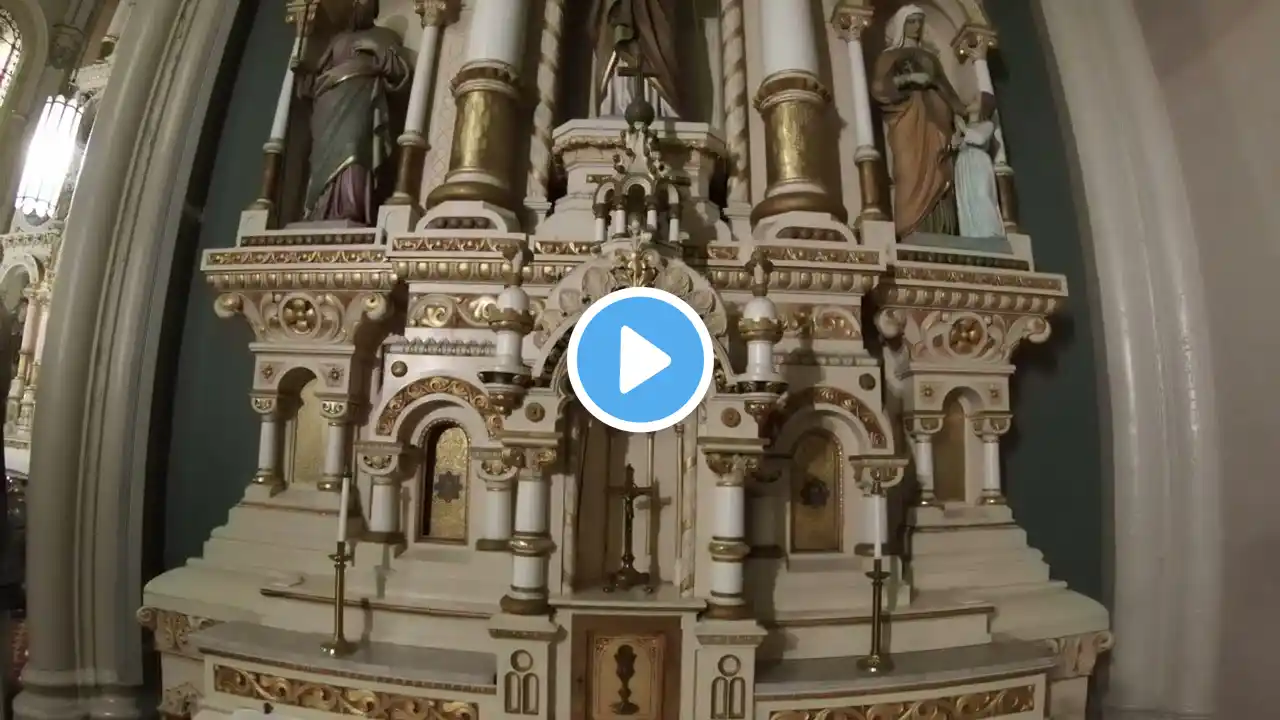
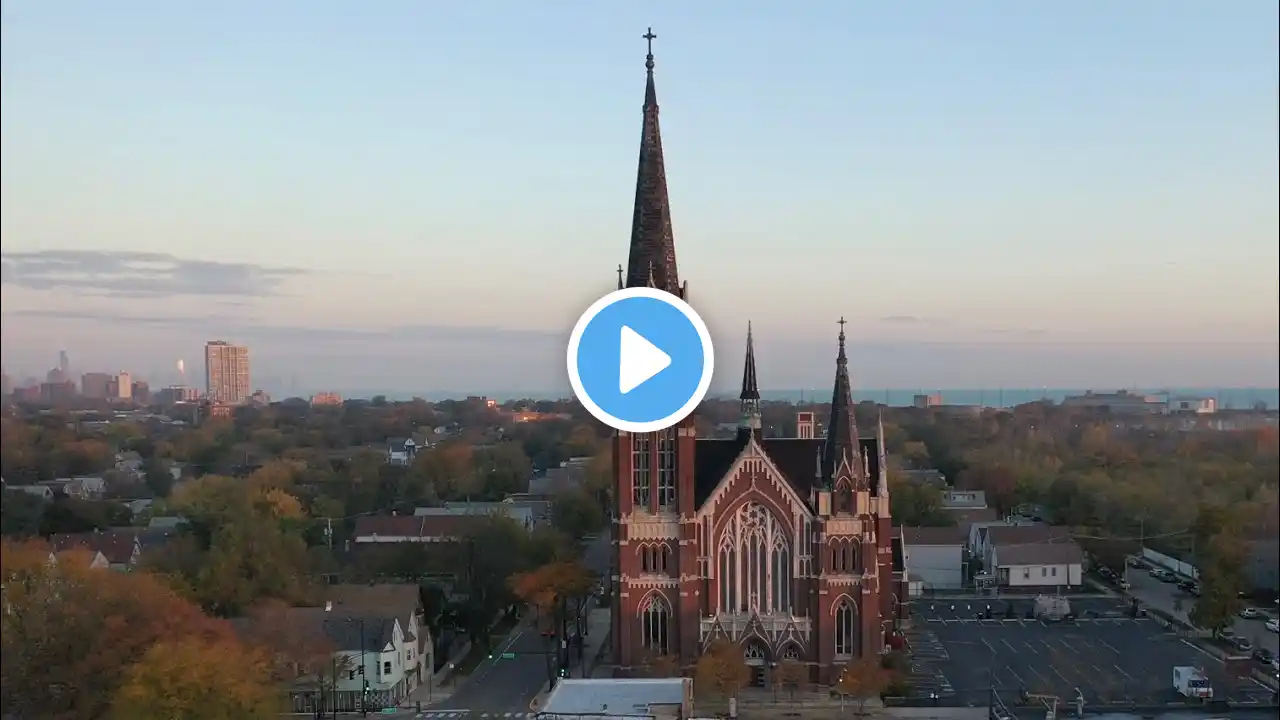
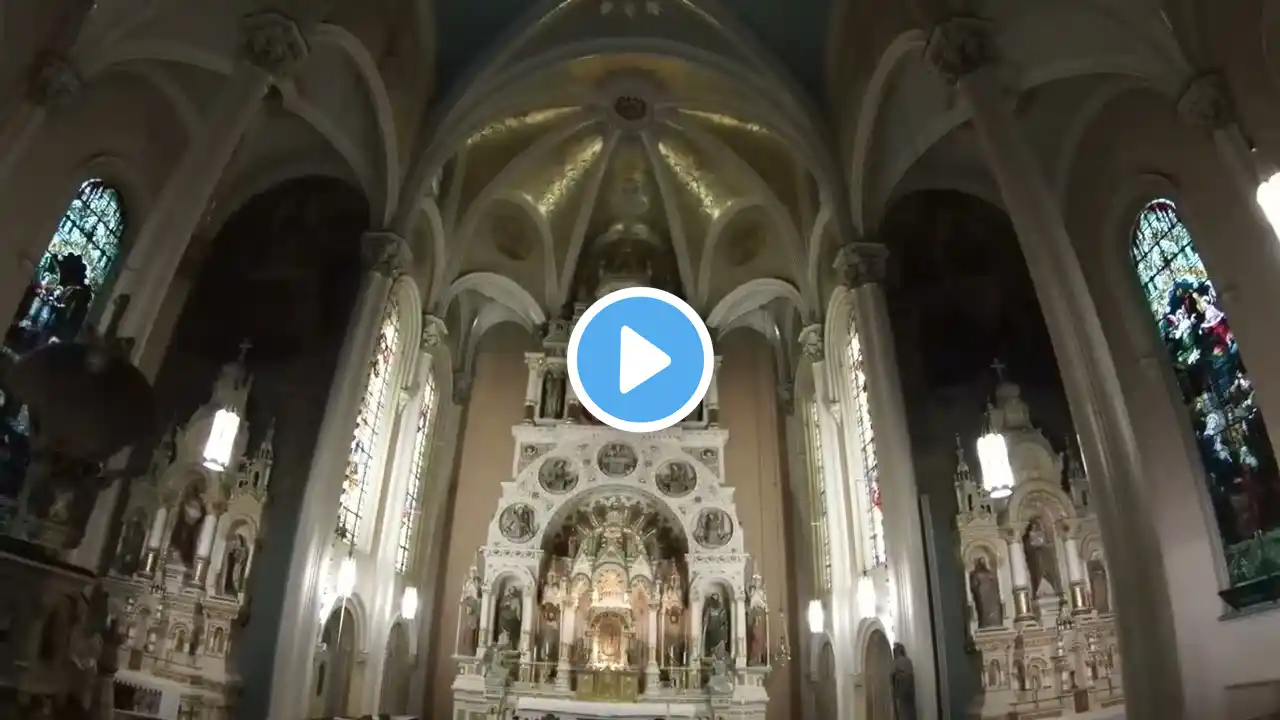
Channel Discord Server : / discord Parish Website | https://www.st-mikes.org/ History: The church was dedicated on Sunday, October 17, 1852, with 43 families. In the following months, the parish acquired additional land adjacent to the original plot, allowing it to begin construction of a rectory. To serve parishioners’ children, St. Michael also rented a nearby building and converted it into a school. But within a year, suspicions and old country animosities (Germany had yet to become a unified country) led to parish bickering and an era of revolving-door pastors that lasted until 1860. At that point, Chicago Bishop James Duggan – hesitant to send another priest to the troubled parish – made a momentous decision that not only solved the problems but that established a tradition of harmony and excellence that has lasted until this day. His solution: asking the Provincial Superior of the Redemptorists, for members of his order to take charge of the struggling parish. He knew that the Redemptorists had served for decades in the various German principalities, and they were very aware of the regional differences and religious mindset of the people. The Provincial Superior said yes, and so Father Joseph Mueller, C.Ss.R., sixth pastor (and the first Redemptorist pastor) of St. Michael celebrated his first Mass at the church on February 26, 1860. At that time, St. Michael’s began growing. On September 23, 1866, following a ceremonial blessing, workers broke ground for a magnificent new brick church, standing at the corner of Linden (now Eugenie) Street and Hurlbut (now Cleveland) Avenue. A point of pride for parishioners was the 200-foot-tall steeple, which far eclipsed the 140-foot height of Chicago’s Water Tower. St. Michael’s became one of the city’s tallest buildings, visible for miles. On September 29, 1869, the feast day of St. Michael the Archangel, St. Michael’s new church building was blessed and dedicated. Two years later, however, tragedy struck the parish, as well as the city of Chicago. On October 8, 1871, the fabled O’Leary house and barn on the city’s south side burst into flames. Fanned by gusty winds, the fire fanned north. As the fire roared past downtown’s Holy Name Cathedral, religious from nearby institutions rushed to St. Michael’s for respite, but they knew the fire was just a few hours away. Priests, brothers and nuns, and parishioners packed the church’s treasures into an oxcart and fled. Soon afterward, flames tore into all the parish buildings, leveling them. Only the walls of the church remained standing. The task of rebuilding began within a week, and a wooden combination church and school was erected. On October 12, 1873, the rebuilt St. Michael’s church was consecrated and rededicated, one of the first Chicago churches to rise from the fire’s ashes. The next phase of growth began in 1887, when work began on the church’s 290-foot-tall spire. Dedicated in May of 1888, the tower was capped by a gilded cross, more than 24 feet tall and nine feet across. A large four-faced clock, crafted by Milwaukee’s famed Mathias Schwalbach, completed the tower’s decorations. A few years later, St. Michael’s installed a Pilcher pipe organ in its upper loft. In 1902, St. Michael’s celebrated its Golden Jubilee by installing five altars, described in more detail in the Art and Architecture pages of this site. Largest is the high altar, capped by an 8-foot-tall statue of St. Michael the Archangel, surrounded by the angels Gabriel and Raphael. Even more exciting were the 16 stained glass windows (again, see Art and Architecture) designed and built by the Mayer Window Art Institute in Munich, Germany. Twelve large windows, six on each side of the nave, depict scenes from the life of Jesus and the Blessed Mother. Four smaller windows were added in the sanctuary. As the new century wore on, the parish community began to change. The St. Michael’s community, long a center for Chicago’s German Catholics, was beginning to assimilate into mainstream American culture. From the start, the church had conducted Mass and Sacraments, but German was used for sermons, missions, retreats, and parish publications. Slowly, English began to supplant the German language in those sermons and popular devotions. The surrounding community changed, too, with a mix of Eastern Europeans moving into the area as many of the German families relocated to outlying areas. St. Michael’s recognized the growing need to minister to a changing community in the years to come. To see More Parish History, go to the parish website shown below: https://www.st-mikes.org/146