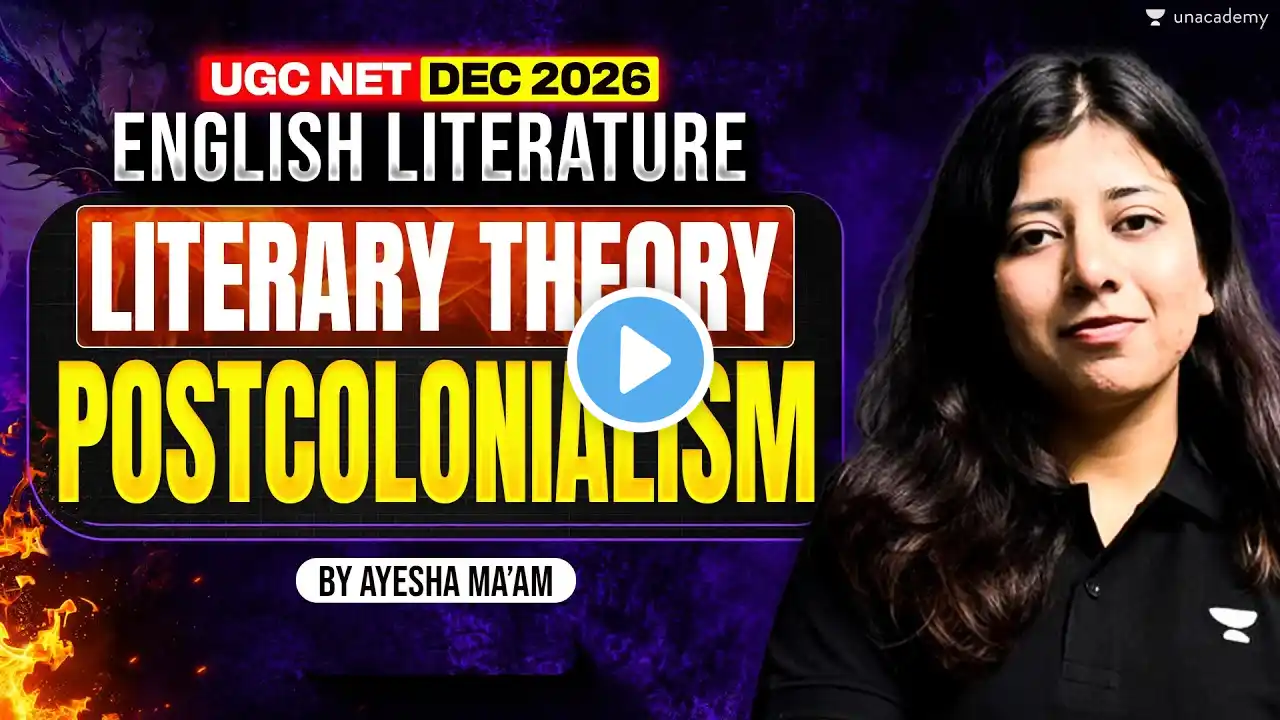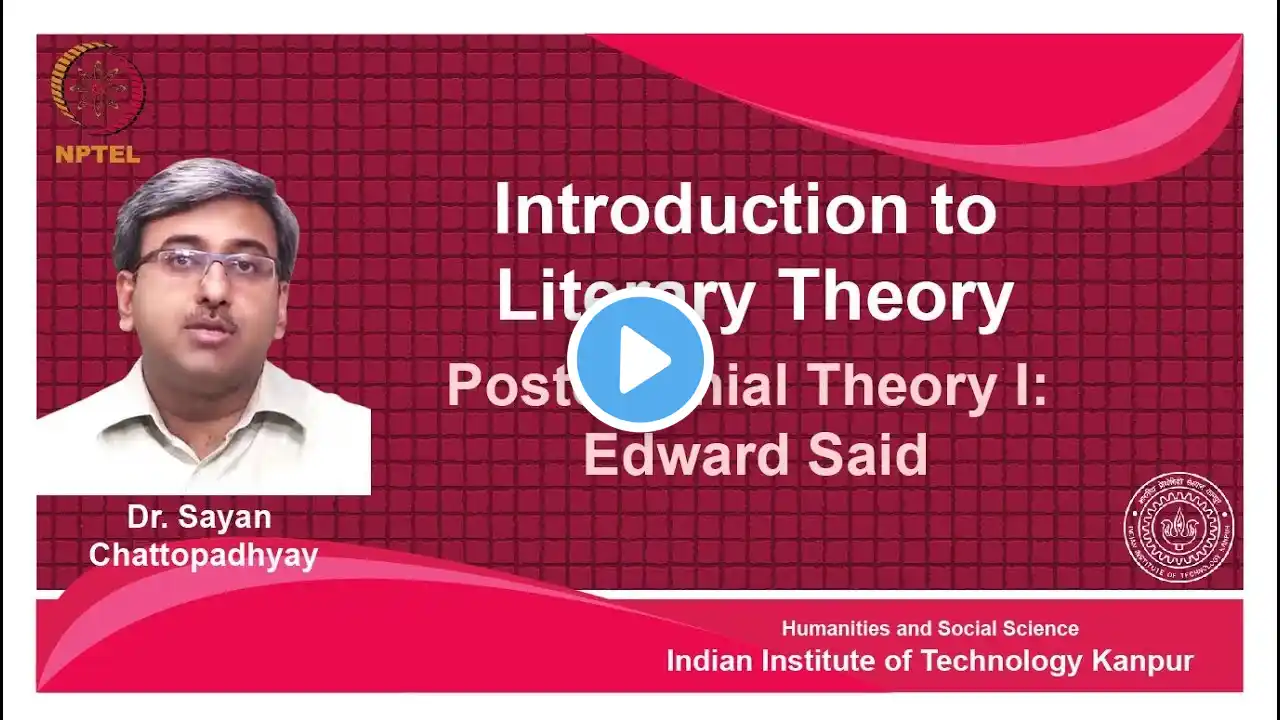
Postcolonialism: Key Concepts & Theories | Edward Said, Homi Bhabha, Gayatri Spivak & Frantz Fanon
• Literary Theory and Criticism Postcolonialism is a literary and cultural theory that studies the effects of colonialism on formerly colonized countries and peoples. It examines how colonial rule shaped identity, culture, language, history, and power, and how these influences continue even after political independence. Postcolonial critics challenge Eurocentric ideas and highlight the voices and experiences of marginalized communities. The theory explores issues such as identity crisis, hybridity, mimicry, resistance, nationalism, diaspora, and the lasting impact of imperialism. It also questions how colonial powers represented colonized people through stereotypes and unequal power relations. Postcolonial literature seeks to recover suppressed histories, celebrate indigenous cultures, and expose the social, political, and economic consequences of colonial domination. It emphasizes that colonialism did not end with independence but continues through cultural and economic forms of control, often called neo-colonialism. The theory is widely applied to the study of literature from Asia, Africa, the Caribbean, and Latin America. Main Theorists and Important Books: Edward Said – Orientalism (1978), Culture and Imperialism (1993) Homi K. Bhabha – The Location of Culture (1994) Gayatri Chakravorty Spivak – Can the Subaltern Speak? (1988), A Critique of Postcolonial Reason (1999) Frantz Fanon – Black Skin, White Masks (1952), The Wretched of the Earth (1961) Ngũgĩ wa Thiong'o – Decolonising the Mind (1986) Bill Ashcroft, Gareth Griffiths, and Helen Tiffin – The Empire Writes Back (1989)