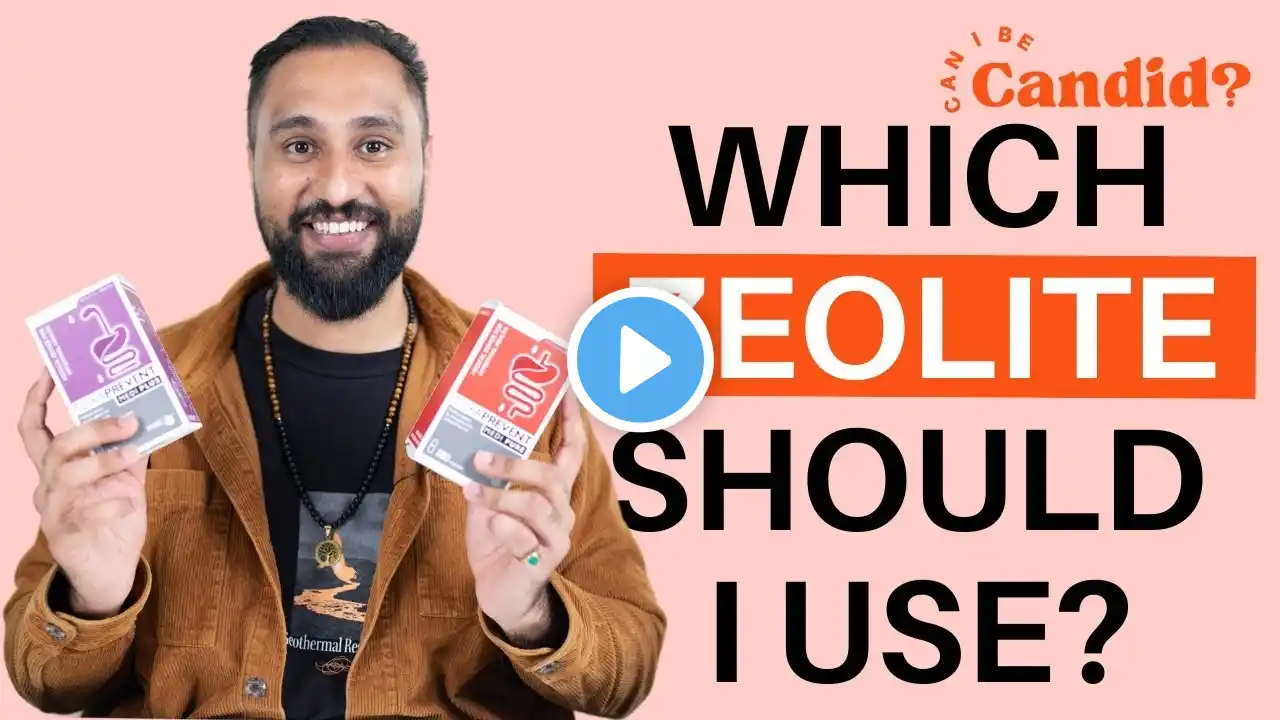
Why do the Toxaprevent Medi Plus sachets contains Magnesium and Calcium carbonate?
Magnesium carbonate and calcium carbonate are added to the Toxaprevent Medi Plus sachets to increase the pH level in the stomach (to reduce the acidity). This allows MANC® particles to safely pass through to the small intestine without being broken down by stomach acid. Magnesium carbonate and calcium carbonate have also been found to bind to oxalates. Toxaprevent Medi Plus Sachets: https://nhinnovations.com/product/tox... The Toxaprevent Medi Plus Sachets are a natural and effective remedy that works quickly to target the root cause by binding and removing histamine and ammonium. Simply mix the contents of 1 x Toxaprevent Medi PLUS sachet into 300ml of water daily and drink before bed to naturally soothe the stomach, addressing associated symptoms. To further support and reduce your symptoms, take another sachet 30 minutes before your first meal. The Toxaprevent Medi Plus Sachets contain the natural and active ingredient MANC which detoxes histamine and ammonium from the stomach. It is also blended with magnesium and calcium carbonate which works to lower the stomach's acid levels to stop the MANC particles from breaking down. It is understood that when ammonium and histamine are out of balance they can contribute to acid reflux and the symptoms you are experiencing. Toxaprevent Medi Plus Sachets naturally and effectively detox these from the body, bringing your stomach acid back into balance. Toxaprevent Medi Plus Sachets works directly on the root cause of your acid reflux and recurring heartburn. Targeting the stomach the sachets work by soothing and relieving your acid reflux and the symptoms of heartburn you are experiencing. For more information visit: www.nhinnovations.com Presented and scientifically checked by our in-house health architect Gaya Neault BSc Chemistry with Medicinal Chemistry from the Nouveau Healthcare team. Scientific references: Critical Review on Zeolite Clinoptilolite Safety and Medical Applications in vivo. Sandra Kraljević Pavelić, Jasmina Simović Medica, Darko Gumbarević, Ana Filošević, Nataša Pržulj and Krešimir Pavelić. https://www.ncbi.nlm.nih.gov/pmc/arti... National Digestive Diseases Information Clearinghouse (NDDIC): "Heartburn, Gastroesophageal Reflux (GER), and Gastroesophageal Reflux Disease." http://sngastro.com/pdf/heartburn.pdf Clinical manifestations and diagnosis of gastroesophageal reflux in adults. Kahrilas PJ. https://www.ncbi.nlm.nih.gov/pmc/arti... Diagnosis and treatment of gastroesophageal reflux disease Raul Badillo, Dawn Francis https://www.wjgnet.com/2150-5349/full... Synopsis of the Polyvalent Qualities of Zeolite-Clinoptilolite and the Proposed Uses Within the Namibian Medical, Pharmaceutical, Industrial and Economical Sectors: A Proposal for an Integrated Research. Barbara Kahler. Pg 54-57 http://journals.unam.edu.na/index.php... Detection of Helicobacter pylori with stool antigen test in children with gastroesophageal reflux disease. The American Journal of Gastroenterology; New York Vol. 96, Iss. 6, (Jun 2001). Demir, Hülya; Ercis, Serpil; Koçak, Nurten; Hasçelik, Gülsen; Ozen, Hasan; et al. https://www.proquest.com/openview/6b3... Histamine-binding capacities of different natural zeolites: a comparative study. Thangaraj Selvam, Wilhelm Schwieger, Wilfried Dathe. https://www.ncbi.nlm.nih.gov/pmc/arti... Potentiated clinoptilolite: artificially enhanced aluminosilicate reduces symptoms associated with endoscopically negative gastroesophageal reflux disease and nonsteroidal anti-inflammatory drug induced gastritis. Wilna Potgieter, Caroline Selma Samuels, and Jacques Renè Snyman. https://www.ncbi.nlm.nih.gov/pmc/arti...