Helminths Explained: Tapeworms, Roundworms & Flukes | Parasite Overview for Students
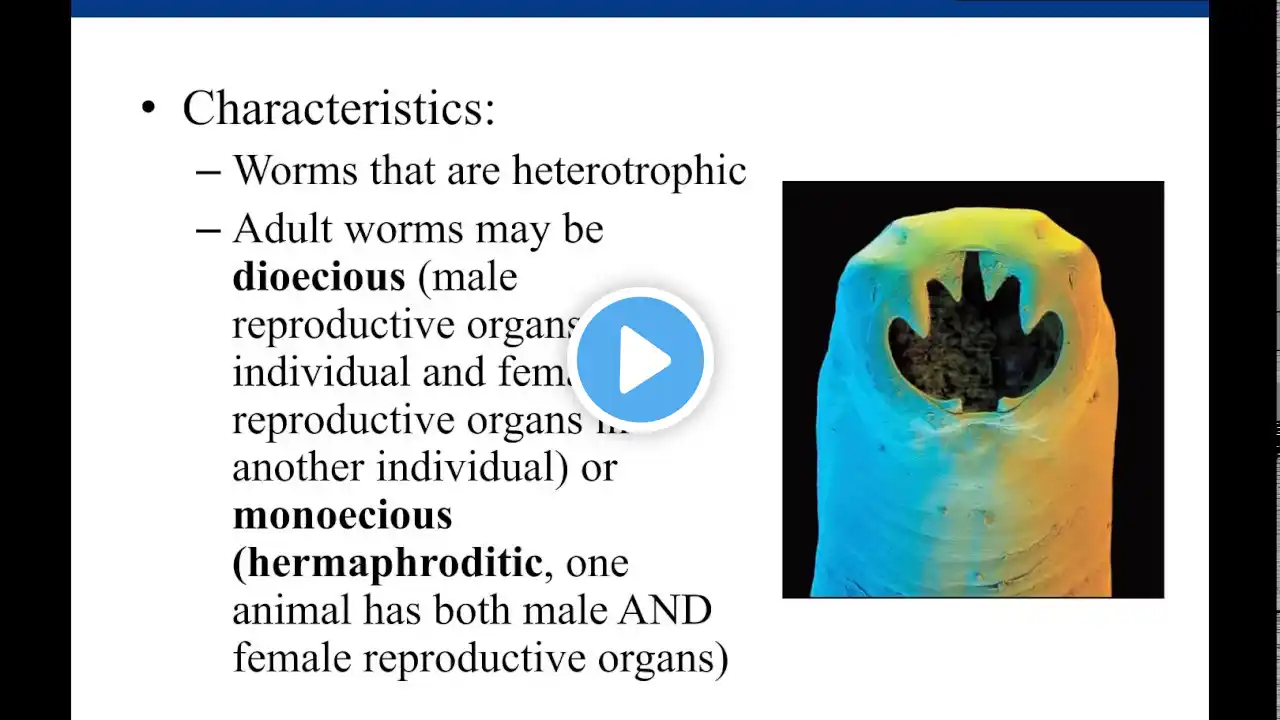
*Helminths Explained: Tapeworms, Roundworms & Flukes | Parasite Overview for Students* This topic provides a clear and student-friendly overview of **helminths**, a group of parasitic worms responsible for many human infections worldwide. It explains the three major classes of helminths: **tapeworms (cestodes)**, **roundworms (nematodes)**, and **flukes (trematodes)**. Each group is described in terms of its basic structure, life cycle, mode of transmission, and common examples affecting humans. The description highlights how these parasites enter the human body, the organs they commonly infect, and the diseases they cause. Special emphasis is placed on clinically important species such as *Taenia*, *Ascaris*, and *Schistosoma*. Key differences in morphology—such as segmented bodies in tapeworms, cylindrical shapes in roundworms, and flat leaf-like forms in flukes—are explained for easy understanding. Designed especially for **medical, nursing, and biology students**, this overview helps build a strong foundation in parasitology, supporting exam preparation and clinical learning through simple language and clear concepts.